
Sprinkler Winterization Guide 2026 (Step-By-Step Tips)
Winter in the Houston area can sneak up on you. One week it feels like summer, and the next a hard freeze rolls in overnight. That is exactly why sprinkler winterization matters so much for homeowners across our region. At Waterworks Sprinklers in Crosby, we have seen what happens when water sits in pipes and freezes. It is not pretty, and it is not cheap to fix.
In this guide, we will walk you through everything you need to know to protect your irrigation system before the cold hits. From timing to tools to the actual blowout process, we are covering it all. Let us get your system ready for the season.
Why Is Sprinkler Winterization Important?
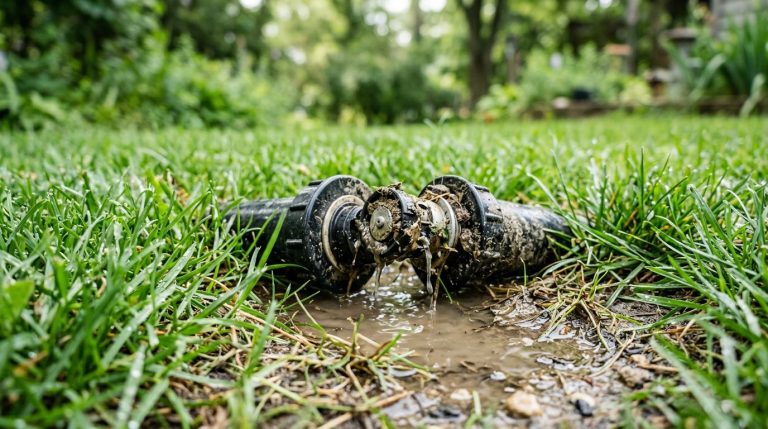
Water expands when it freezes. That simple fact is the whole reason winterization exists. When water gets trapped inside your sprinkler pipes, valves, or backflow device and the temperature drops, that frozen water pushes outward with enormous force. The result can be cracked pipes, split valves, and broken fittings all over your yard. And most of that damage stays hidden until spring, when you turn the system back on and discover geysers where sprinkler heads used to be.
Even here in the greater Houston area, where winters are usually mild, we get freeze events that catch people off guard. A single hard freeze is all it takes. Protecting your system now saves you money and headaches later. If you want a deeper dive into the process, our team offers professional sprinkler winterization services in Crosby TX that take the guesswork out of it.
- Prevents cracked and burst pipes from frozen water
- Protects expensive components like valves and backflow devices
- Saves you from costly spring repairs and water waste
- Extends the overall lifespan of your irrigation system
- Keeps your warranty intact on many installed systems
- Avoids surprise flooding in your yard when you reactivate
When Should You Winterize Your Sprinkler System?
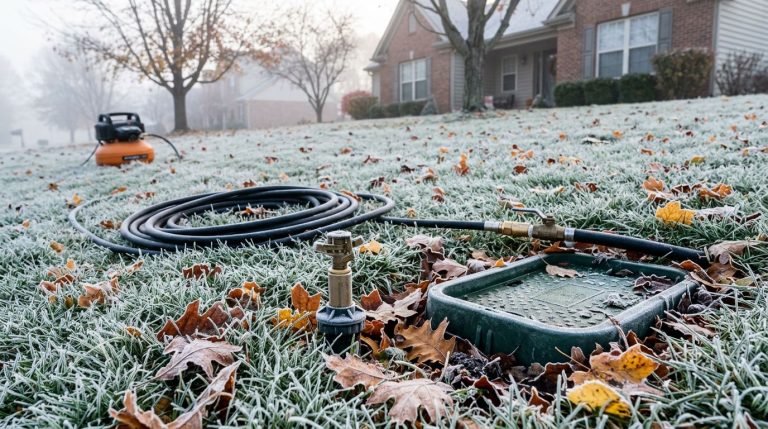
Timing is everything with winterization. You want to blow out your system BEFORE the first hard freeze of the year, not after. In our area, that usually means late fall. Watching the forecast is your best friend here. Once nighttime temperatures start dipping toward freezing on a regular basis, it is time to act.
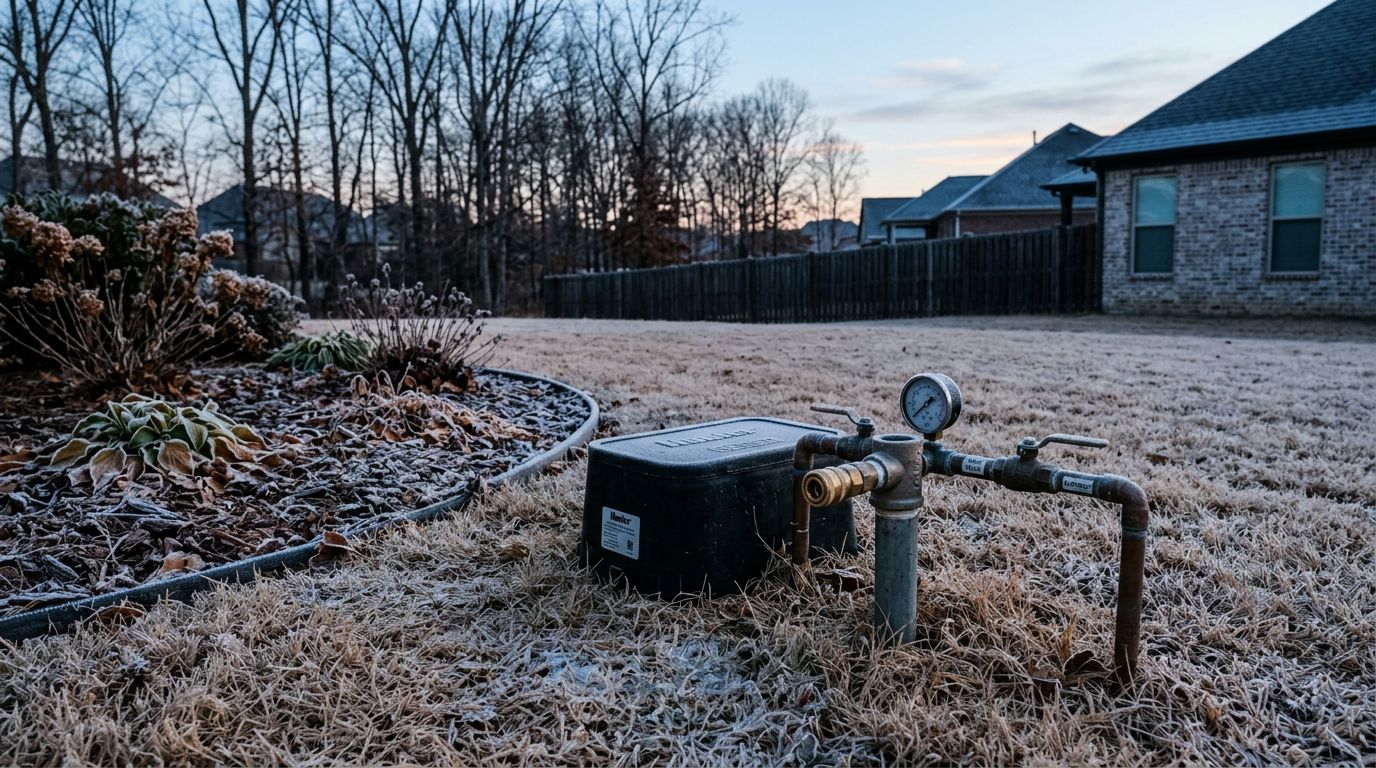
Do not wait until the news is warning about an ice storm. By then it may already be too late, and every irrigation company in town will be booked solid. Getting ahead of the cold is smart. For year-round protection, we also recommend reviewing our general maintenance tips for sprinkler systems in Texas so your system stays healthy in every season.
- Aim for late fall, typically November in the Houston region
- Winterize before the FIRST hard freeze, not after
- Watch for nighttime lows approaching 32 degrees
- Do not wait for a freeze warning to schedule service
- Book early since demand spikes when cold weather hits
- Consider your local microclimate in Baytown, Humble, or Atascocita
What Tools and Supplies Do You Need?
If you plan to tackle winterization yourself, you will need the right gear. The most important piece is an air compressor powerful enough to push water out of your lines. Not every home compressor is up to the job, so this is where a lot of DIY attempts fall short. Beyond the compressor, you need some basic hand tools and safety equipment.
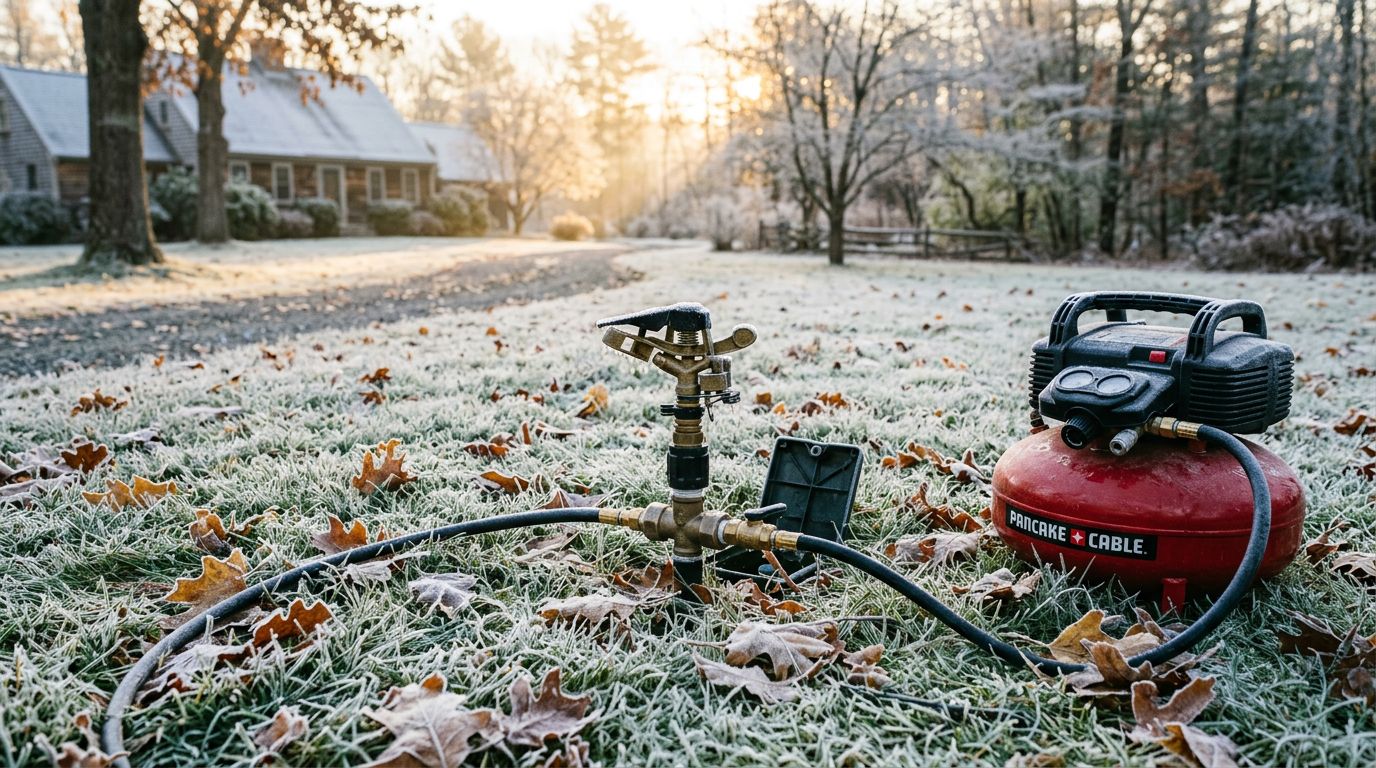
Here is the thing. The blowout process involves pressurized air, and doing it wrong can damage your system or injure you. Many homeowners choose to let a pro handle it for that reason. But if you are set on doing it yourself, gather these supplies first.
- An air compressor with enough CFM for your zone size
- An air hose with the correct fittings and quick connect adapter
- Safety glasses to protect your eyes from debris
- Work gloves for handling cold valves and fittings
- A screwdriver or wrench set for accessing valve boxes
- A pressure regulator to avoid over-pressurizing lines
- Your system manual to locate zones and shutoff points
How to Winterize Your Sprinkler System Step-By-Step
Ready to walk through the actual process? Below is a straightforward sequence for winterizing a typical residential sprinkler system using the blowout method. Read through all the steps first before you start so you understand the full flow. And remember, if any step feels beyond your comfort level, it is perfectly fine to call in help.
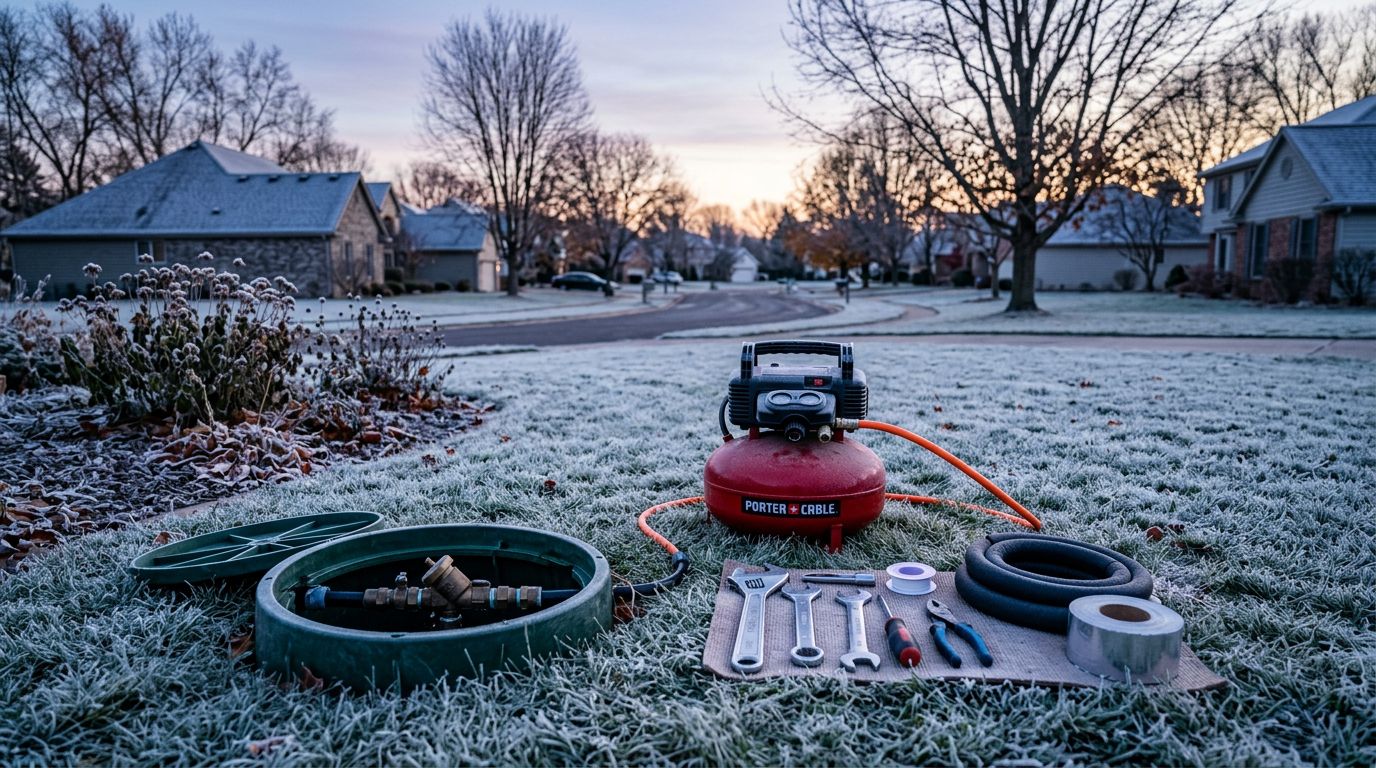
Take your time and work zone by zone. Rushing through this is how mistakes happen. Keep your air pressure in a safe range and never leave the compressor running longer than needed on any single zone.
- Turn off the water supply. Locate your main irrigation shutoff valve and close it completely so no new water enters the system.
- Shut down the controller. Set your timer or controller to the off or rain mode so it does not run cycles during winter.
- Connect the air compressor. Attach your air hose to the blowout port or an appropriate connection point on the mainline.
- Set a safe pressure. Keep the air pressure low and steady. Too much pressure can crack pipes and fittings.
- Open the first zone. Activate one zone at a time through your controller so the air has a clear path to travel.
- Blow out the zone. Let the air push water out until only mist and then dry air come from the heads.
- Move to the next zone. Close the completed zone and repeat the process for each remaining zone in your system.
- Protect the backflow device. Drain and insulate your backflow preventer so it does not freeze and crack.
- Verify everything is dry. Do a final check of all zones and shutoff points to confirm no water is trapped.
What Are the Different Blowout Methods?
Not every winterization job looks the same. The method depends on your system layout, your equipment, and how thorough you want to be. Below are the main approaches homeowners and pros use to clear water from irrigation lines.
The Compressed Air Blowout Method
This is the most common and most reliable approach. You use an air compressor to force pressurized air through each zone, pushing water out of the pipes and sprinkler heads. It clears the lines thoroughly, which is why professionals rely on it. The key is using the correct air volume and keeping pressure in a safe range so you do not damage components.
The Manual Drain Method
Some systems come with manual drain valves at the low points of the piping. With this method, you shut off the water and open those valves to let gravity pull the water out. It is simpler than a blowout but only works if your system was built with these drain valves and if the low points actually catch all the water.
The Automatic Drain Method
Certain systems have automatic drain valves that open on their own when pressure drops below a set point. Once you shut off the water supply, these valves release the water automatically. It sounds convenient, but automatic drains do not always clear every bit of water, so many people still follow up with a blowout for full protection.
Common Sprinkler Winterization Mistakes to Avoid
We have repaired plenty of systems that were damaged by well-meaning winterization attempts gone wrong. The good news is that most of these mistakes are easy to avoid once you know what to watch for. Pay attention to your backflow device especially, since it is one of the most expensive parts to replace. If you ever need help with that component, our backflow repair and replacement cost guide breaks down what to expect.
Here are the slip-ups we see most often. Steer clear of these and your system will be in great shape come spring.
- Using TOO MUCH air pressure, which cracks pipes and fittings
- Waiting until after a freeze warning to winterize
- Forgetting to protect and insulate the backflow preventer
- Leaving the controller running so it cycles in cold weather
- Skipping zones and leaving water trapped in some lines
- Using a compressor that is too weak to clear the mainline
- Assuming mild Texas winters mean freezes never happen
- Blowing out a single zone for too long and overheating fittings
Conclusion
Winterizing your sprinkler system is one of the smartest moves you can make before cold weather arrives. It protects your pipes, saves you from expensive repairs, and keeps your irrigation running strong for years. The core steps are simple: shut off the water, clear the lines with the right method, and protect your backflow device. Just remember to time it BEFORE the first hard freeze and never rush the process.
If DIY winterization feels like more than you want to take on, our team at Waterworks Sprinklers is here to help homeowners across Crosby, Houston, Baytown, Atascocita, Humble, Channelview, and Highlands. Reach out to schedule your winterization and head into the cold season with total peace of mind.