
Sprinkler Winterization Guide 2026 (Step-By-Step Tips)
Winter is coming, and if you have an irrigation system, now is the time to think about protecting it. Sprinkler winterization is one of the most important things you can do to keep your system healthy through the cold months. At Waterworks Sprinklers in Crosby, we help homeowners across the area get their systems ready before the first hard freeze hits.
Texas winters can be tricky. One week it feels like spring, and the next we get a deep freeze that catches everyone off guard. That is exactly why we put together this step-by-step guide for 2026. We want you to feel confident about protecting your investment.
Why Is Sprinkler Winterization Important?
When water freezes, it expands. That simple fact is the reason winterization matters so much. If water sits inside your pipes, valves, or sprinkler heads when a freeze hits, it can crack them wide open. And repairs are almost always more expensive than a little prevention. If you want to protect your system before winter, our sprinkler winterization service in Crosby can handle the whole process for you.
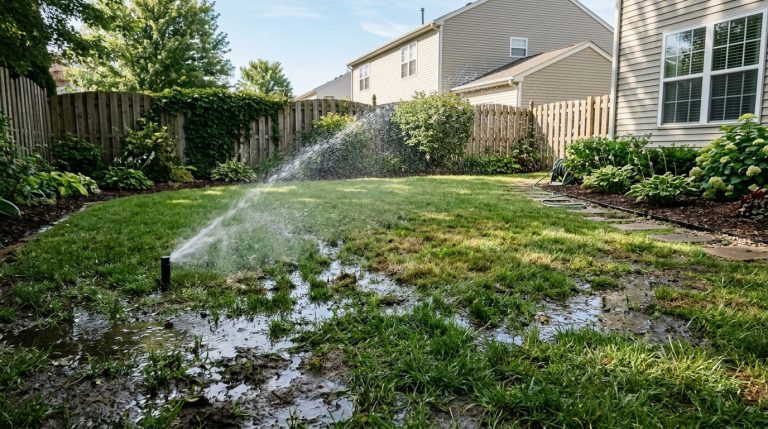
Even here in the Houston area, we see freeze damage every single year. People assume our mild climate makes them safe. Then a cold snap arrives and they end up with a flooded yard and a busted system. Here is why winterization is worth the effort.
- Prevents cracked pipes from freezing and expanding water.
- Protects expensive components like valves, backflow devices, and sprinkler heads.
- Saves money by avoiding costly spring repairs.
- Extends the life of your entire irrigation system.
- Reduces water waste from leaks you might not even notice.
- Gives you peace of mind when a surprise freeze rolls through.
When Should You Winterize Your Sprinkler System?
Timing matters more than most people think. You want to winterize BEFORE the first hard freeze, not after. In our area, temperatures usually start dipping in late November or early December. That gives you a window to get things done while the weather is still cooperating.
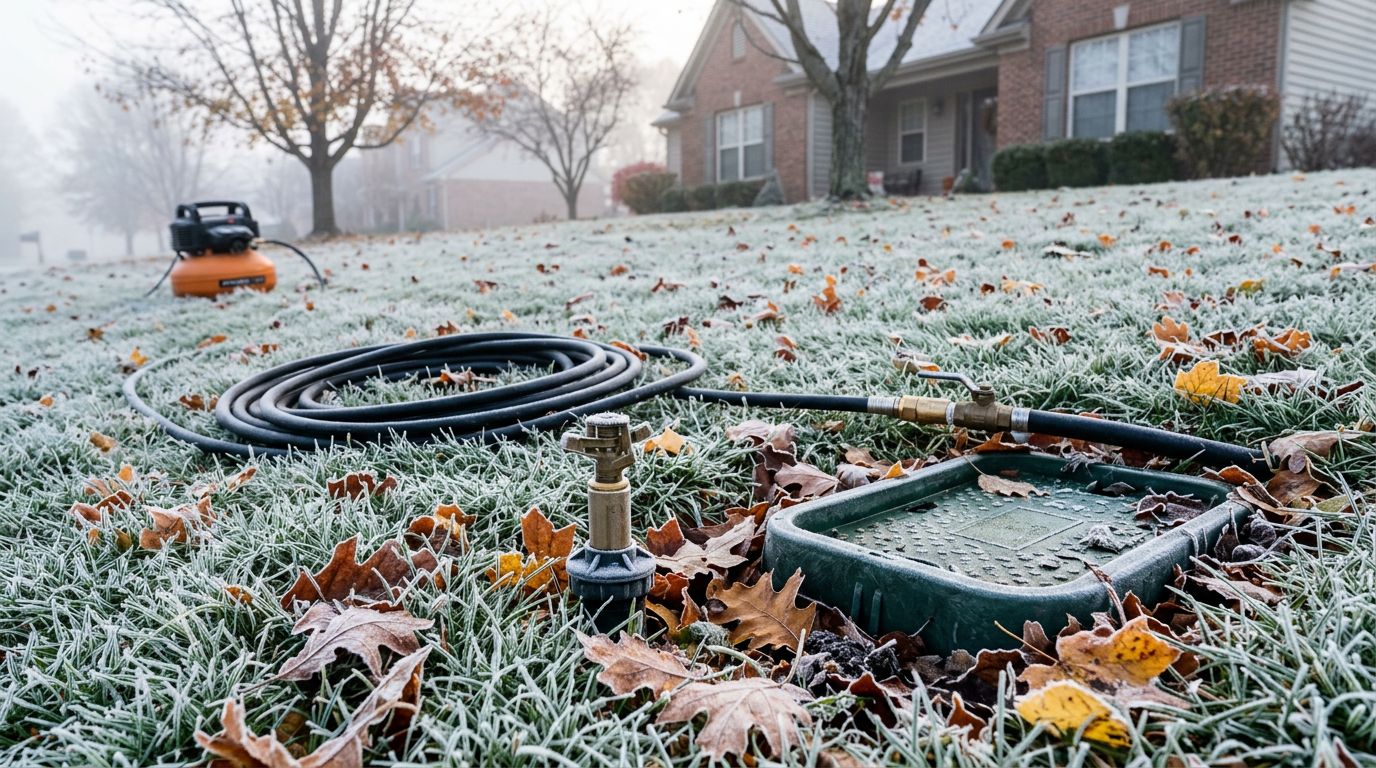
We always tell folks it is better to be early than late. Waiting until you hear about a freeze on the news puts you in a rush. And a rushed job often means missed steps. Keeping up with regular care all year makes winterization easier too. You can check out our helpful maintenance tips for Texas sprinkler systems to stay ahead of problems. Here are the signs it is time to winterize.
- Overnight temperatures are forecast to drop below freezing.
- You notice frost forming on grass in the early morning.
- The calendar hits late November in the Houston region.
- You are done watering for the growing season.
- A cold front is heading your way within the next week.
What Tools and Materials Do You Need?
Before you start, gather your supplies. Having everything ready makes the job go smoother and faster. Some steps require specific tools, especially if you plan to blow out your lines with compressed air. If you do not have an air compressor, that is one part best left to a professional.
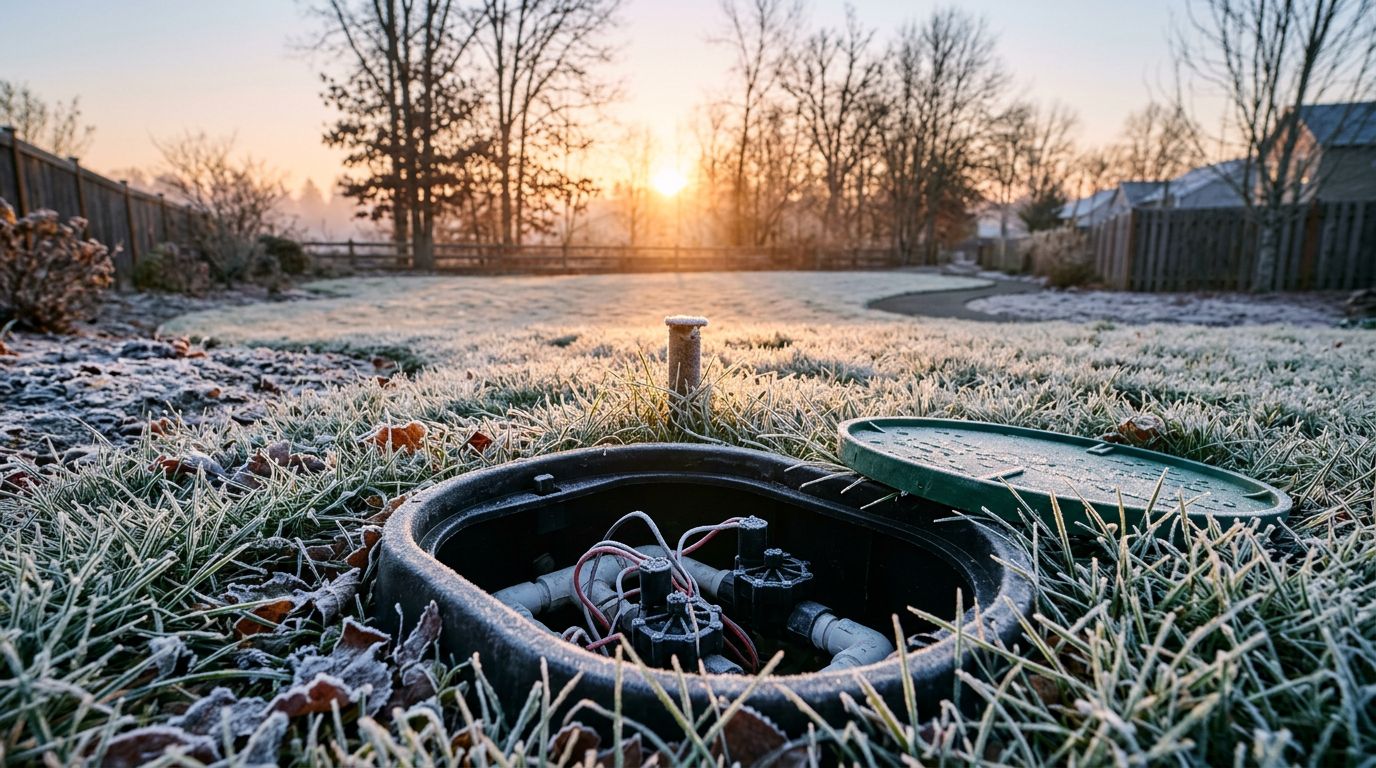
Here is a basic list of what you might need to winterize your system at home.
- Air compressor with the correct volume rating for your system.
- Safety glasses to protect your eyes during the blowout.
- Insulation materials like foam covers or old towels for exposed parts.
- A hose or air fitting that connects the compressor to your system.
- Work gloves to keep your hands warm and protected.
- Insulation tape for wrapping backflow devices and valves.
- A screwdriver or wrench for opening valve boxes and drain caps.
How to Winterize Your Sprinkler System Step-by-Step
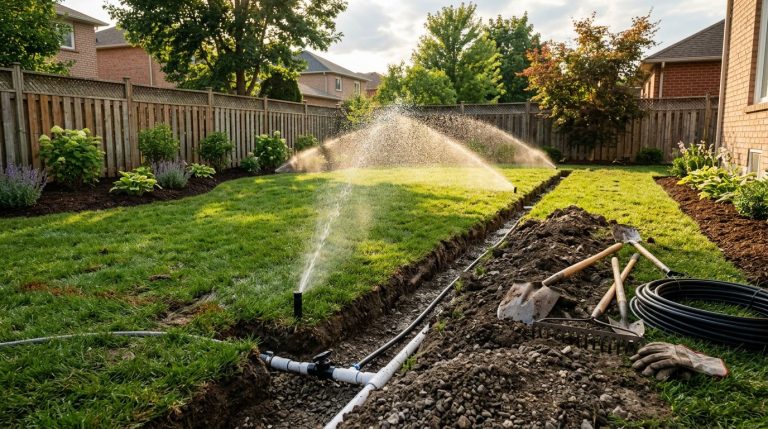
Now for the main event. Winterizing your system follows a clear order. Take your time with each step. Rushing leads to mistakes, and mistakes lead to damage. If any part of this feels over your head, there is no shame in calling a pro. Our team also handles sprinkler repair in Houston if something needs fixing before the cold sets in.
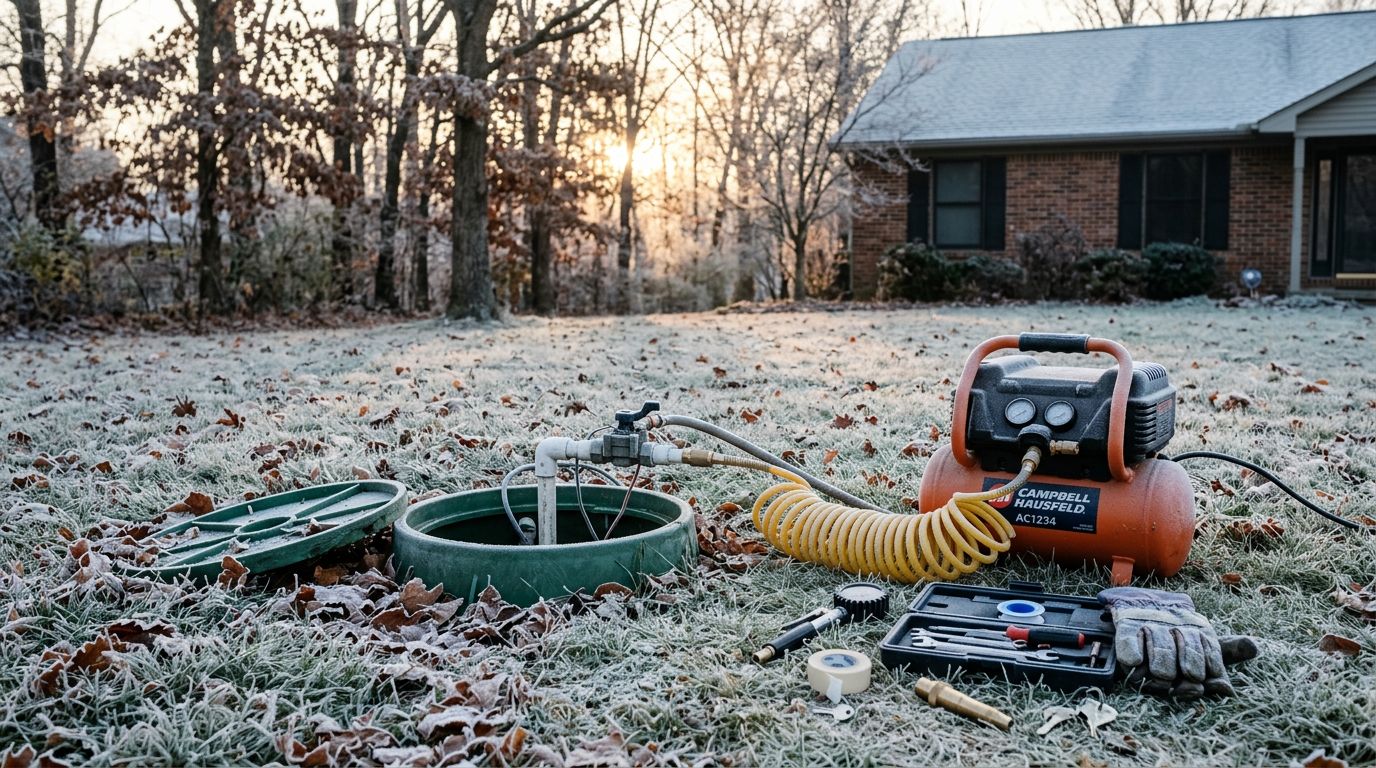
- Shut off the water supply. Find the main shutoff valve for your irrigation system and turn it off completely.
- Turn off the controller. Set your timer to the OFF or rain mode so it stops running cycles.
- Drain the backflow device. Open the test cocks and drain valves to release trapped water.
- Insulate exposed parts. Wrap the backflow preventer and any above-ground pipes with insulation.
- Blow out the lines. Use an air compressor to push remaining water out of each zone.
- Work zone by zone. Activate one zone at a time so the air pressure moves through evenly.
- Check the sprinkler heads. Watch for water spraying out, then stopping, which means the zone is clear.
- Close everything up. Shut the drain valves and cover any exposed components for extra protection.
What Are the Different Blowout Methods?
Not every system is winterized the same way. The right method depends on your setup and where you live. Below are the most common approaches people use to clear water from their pipes.
The Blowout Method
This is the most thorough option and the one we recommend for most systems in our area. You connect an air compressor and push pressurized air through each zone. The air forces out any water hiding in the pipes and heads. It takes the right equipment and a bit of know-how, but it does the best job of protecting your lines.
The Manual Drain Method
Some systems have manual drain valves built in at low points. You simply open these valves and let gravity pull the water out. This works well if your system was designed with proper drainage. It is simple, but it may not remove every drop, especially in flat yards.
The Automatic Drain Method
Certain systems include automatic drain valves that open on their own when pressure drops. When you shut off the water, these valves release the water without any effort from you. It is convenient, though you should still double check that everything drained properly.
Common Sprinkler Winterization Mistakes to Avoid
We have seen plenty of DIY winterization jobs go sideways. Most of the time it comes down to a few avoidable errors. Knowing what NOT to do is just as important as knowing the right steps. Keep these common mistakes in mind so you do not learn the hard way.
- Using too much air pressure. High pressure can crack pipes and damage heads. Stay within safe limits.
- Forgetting the backflow device. This is one of the most expensive parts to replace, so drain and insulate it.
- Waiting until the last minute. A surprise freeze can hit before you finish. Winterize early.
- Skipping zones. Every zone needs to be cleared. Missing one leaves water where it can freeze.
- Leaving the controller on. An active timer can run a cycle in freezing weather and cause damage.
- Ignoring exposed pipes. Above-ground lines freeze first. Wrap them well.
- Using the wrong compressor. Too small and it will not clear the lines. Match the tool to your system.
Conclusion
Sprinkler winterization is not complicated, but it does take care and attention. Shut off the water, drain your lines, protect the backflow device, and clear each zone before the freeze arrives. A little prep now saves you from cracked pipes and costly repairs come spring. Homeowners across Crosby, Houston, Baytown, Atascocita, Humble, Channelview, and Highlands can all benefit from getting ahead of the cold.
If you would rather leave the job to experts, we are here to help. Reach out to Waterworks Sprinklers and let us protect your system this winter so it is ready to go when warm weather returns.