
Common Sprinkler Repair Problems 2026 (Fixes & Tips)
A sprinkler system is one of those things you never think about until it stops working right. Then suddenly you have dry patches, soggy spots, and a water bill that makes you wince. At Waterworks Sprinklers in Crosby, we deal with common sprinkler repair problems every single day, and most of them share the same handful of causes. Knowing what to look for can save you time, money, and a lot of frustration.
In this guide we will walk through the issues we see most often heading into 2026. We serve Crosby, Houston, Baytown, Atascocita, Humble, Channelview, and Highlands, so we have seen just about every sprinkler headache Texas soil and weather can throw at a system. Let us break it down.
Why Is My Sprinkler Head Not Popping Up?
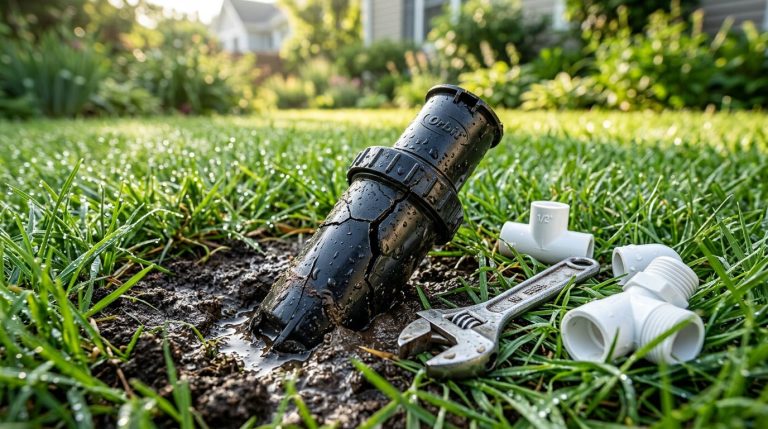
A sprinkler head that will not rise is one of the most common calls we get. When a head stays down, that section of your lawn goes thirsty while everything around it looks fine. The good news is that the cause is usually simple. It is often dirt, debris, or a pressure issue rather than a full replacement job. Here is how we track it down.
- Check for dirt and debris. Grass clippings and soil can pack around the head and jam it in place. Clear the area and gently pull the head up to see if it moves freely.
- Inspect the nozzle. A clogged nozzle blocks water flow, which is what pushes the head up. Remove and rinse it out.
- Look at water pressure. Low pressure means the head does not have enough force to rise. This often points to a bigger system issue we cover below.
- Test the wiper seal. A worn seal lets grit inside and stops smooth movement. Worn seals usually mean the head needs replacing.
- Confirm the zone is actually running. Sometimes the head is fine and the controller simply is not sending water to that zone.
If you also notice water pooling around a head that will not seat properly, you may be dealing with a leak. Our tips on how to troubleshoot a leaking sprinkler head can help you spot the difference before it gets worse.
How to Fix Low Water Pressure in Sprinkler Systems
Low water pressure shows up as weak spray, heads that barely pop up, or zones that never fully cover the lawn. It is frustrating because the symptoms look like a dozen different problems. In reality, pressure issues usually trace back to a few common sources. Work through these steps in order and you will usually find the culprit.
- Check the main shutoff valve. If it is partially closed, every zone loses pressure. Make sure it is fully open.
- Inspect the backflow preventer. The valves on a backflow device can get bumped to a half-open position. Both should be fully open for normal flow.
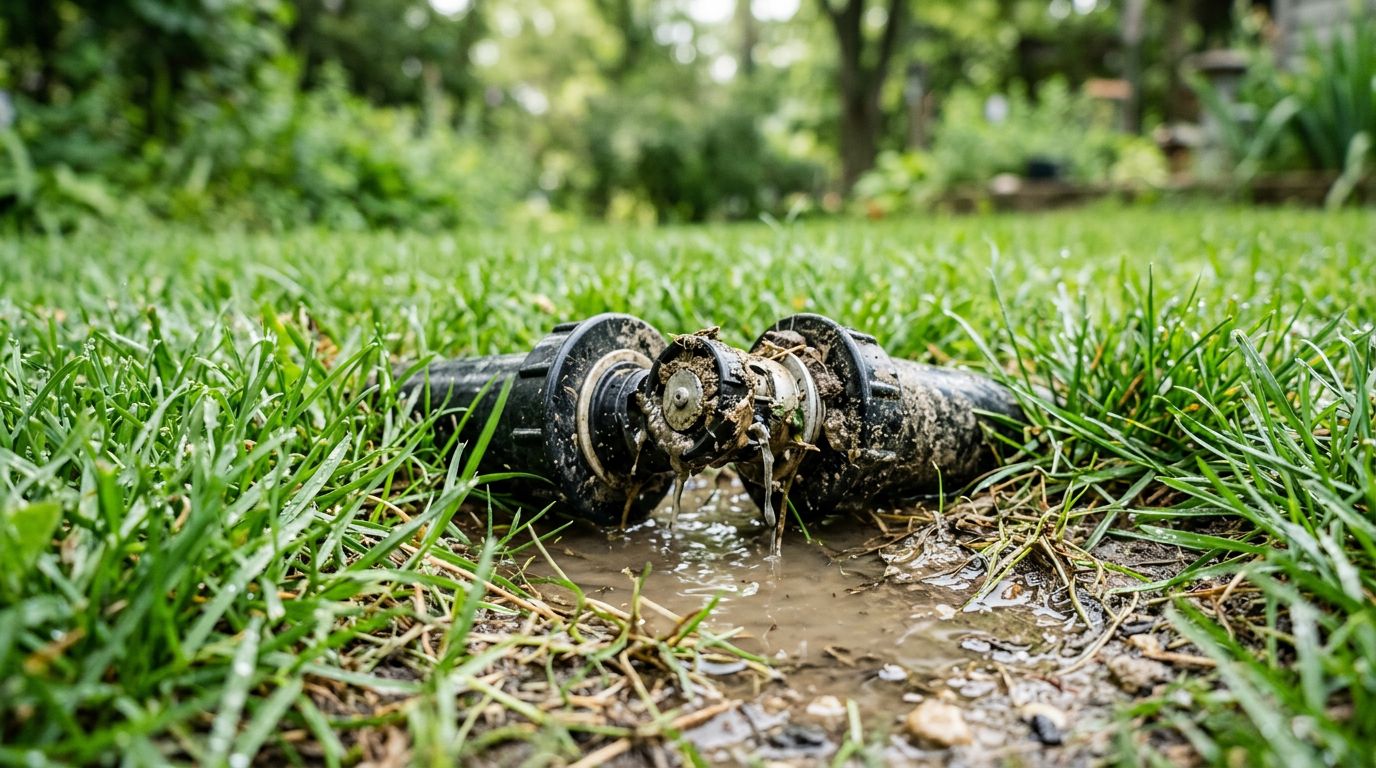
- Look for leaks. A cracked pipe or broken head bleeds pressure away from the rest of the system. Walk the yard for wet spots.
- Clean clogged nozzles and filters. Mineral buildup and debris restrict flow. A quick cleaning often restores pressure fast.
- Count your heads per zone. Too many heads on one zone spreads pressure too thin. Splitting the zone may be the fix.
- Check with your water provider. Sometimes the pressure drop starts at the street, not in your system.
Pressure problems can get complicated fast, especially across our clay-heavy Texas soil. If you want a deeper look at causes and cures, we put together a full breakdown on fixing low water pressure in sprinkler systems that walks through it step by step.
Common Sprinkler Valve Problems and Solutions
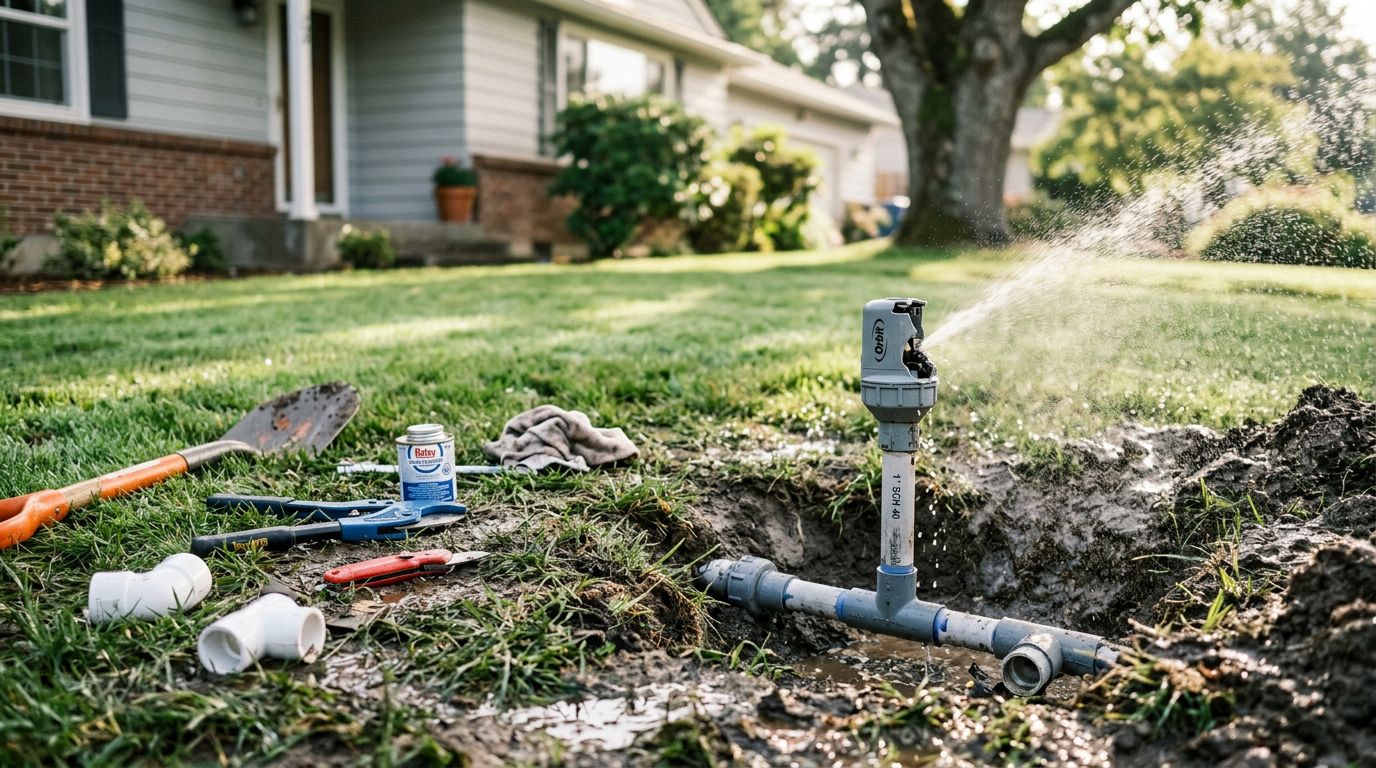
Valves are the traffic cops of your sprinkler system. They open and close to send water to each zone. When a valve fails, a zone might not turn on, might not turn off, or might leak. Here are the issues we run into most.
Valve Will Not Open
If a zone never turns on, the valve may not be getting power, or the solenoid could be bad. A stuck diaphragm inside the valve can also block flow. We test the wiring first, then the solenoid, then the internal parts.
Valve Will Not Close
A zone that keeps running usually has debris caught in the diaphragm or a worn seal. Water keeps sneaking through because the valve cannot seat fully. Cleaning or replacing the diaphragm typically solves it.
Leaking at the Valve
Cracked valve bodies and loose fittings cause water to seep out. In freeze-prone spots around Crosby and Highlands, cracks from cold weather are a frequent cause. A cracked body means replacement.
Weak Solenoid or Wiring Trouble
A failing solenoid sends inconsistent signals, so a zone might work sometimes and not others. Corroded wire connectors are also common in our humid climate. We clean and seal connections to keep signals steady.
Water Hammer
That loud thump when a valve shuts fast is water hammer. Over time it stresses pipes and fittings. Adjusting flow or adding the right components reduces the shock.
How to Repair Broken or Leaking Sprinkler Pipes
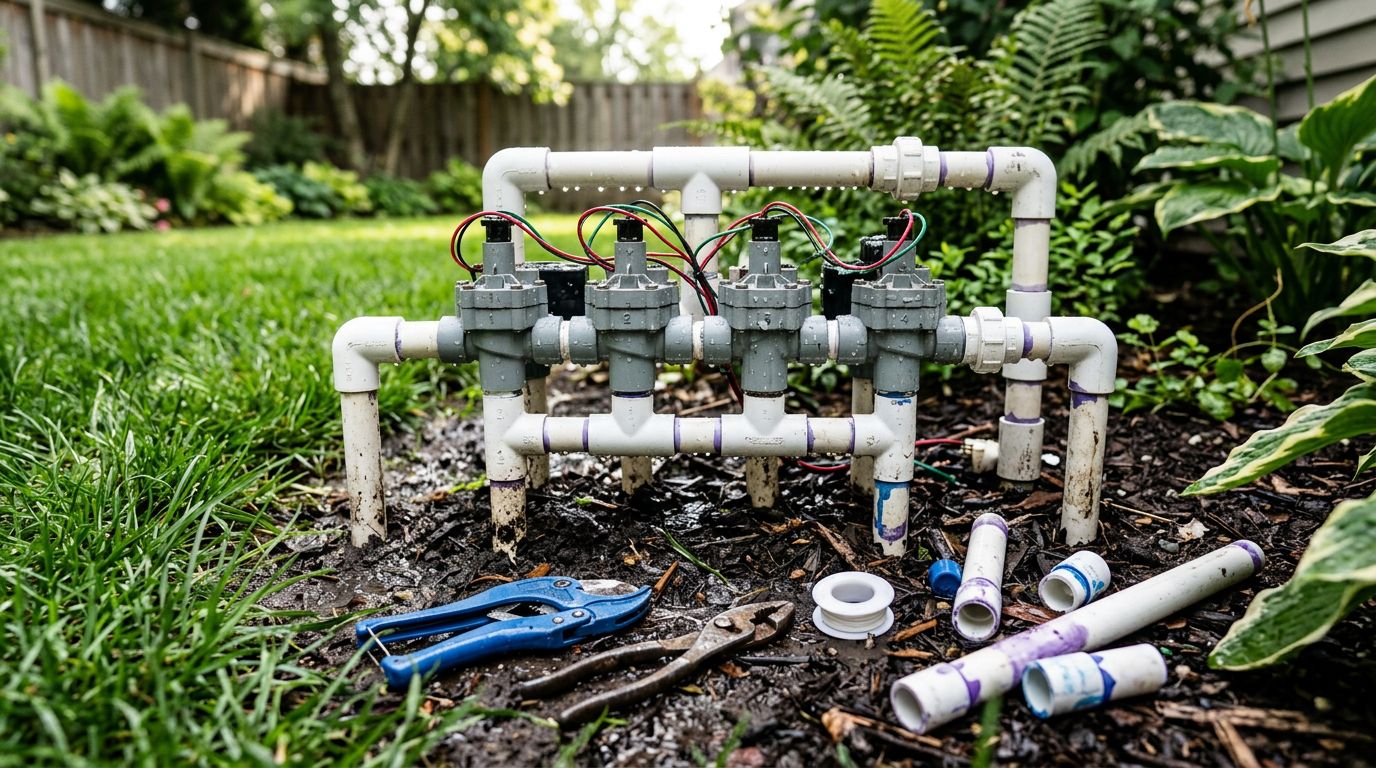
Broken pipes are the messy end of sprinkler repair. You might see a geyser, a persistent wet patch, or a spike in your water bill with no obvious source. Roots, shifting soil, freezing temps, and old age all take a toll on buried lines. Here is how we approach a pipe repair.
- Shut off the water. Always kill the supply before digging. This prevents a bigger mess and keeps you safe.
- Find the break. Look for the wettest area or run the zone briefly to spot where water surfaces.
- Dig carefully. Expose the damaged section without nicking nearby lines or wires. Give yourself room to work.
- Cut out the bad section. Remove the cracked or split length of pipe with a clean, square cut.
- Install the repair. Use the correct couplings and fittings to join fresh pipe into place. Let any solvent or glue set fully.
- Test before you bury. Turn the water back on and watch the repair under pressure. Only backfill once it holds.
Standing water in a yard is not always a pipe issue either. Sometimes poor drainage is the real problem, and a solid sprinkler maintenance routine for Texas systems can help you catch small leaks before they turn into big soggy messes. Chronic wet spots may call for a French drain instead of a patch.
Troubleshooting Sprinkler Controller and Timer Issues
The controller is the brain of your system. When it misbehaves, zones run at odd times, skip watering, or run way too long. A lot of controller problems are settings-related rather than broken hardware, which means they are often quick fixes. Here are the things we check first.
- Power supply. A tripped breaker, a dead backup battery, or a loose plug can wipe out your schedule.
- Wrong date and time. If the clock is off, watering happens at strange hours. Reset it after any power loss.
- Blank or frozen display. This often points to a power or transformer issue rather than the schedule itself.
- Zones not firing. Loose wire terminals or a bad connection at the controller can knock out individual zones.
- Overlapping schedules. Two programs running at once drain pressure and confuse the system. Keep programs from colliding.
- Rain sensor override. A stuck or misread sensor can block watering entirely. Check that it is set correctly.
- Old or outdated unit. Older controllers can fail intermittently. Upgrading to a smart controller often solves recurring quirks.
Before you assume the worst, cycle the power and re-enter your schedule. A surprising number of controller complaints clear up with a simple reset.
When to DIY vs Hire a Professional for Sprinkler Repair
Plenty of sprinkler fixes are within reach for a handy homeowner. Others get complicated fast and can cost more if a small mistake turns into a big one. Knowing where the line sits saves you both money and headaches. Here is how we think about it.
- Good DIY jobs: cleaning clogged nozzles, straightening tilted heads, resetting the controller, adjusting spray patterns, and clearing debris from around heads.
- Borderline jobs: replacing a single head, swapping a nozzle size, or cleaning a valve diaphragm. Doable if you are comfortable, but easy to get wrong.
- Call a pro: hidden pipe leaks, electrical and wiring faults, backflow repair, mainline breaks, and system-wide pressure problems.
- Definitely a pro: backflow testing and repair, French drain installation, and full system winterization. These involve code, specialized tools, or big consequences if done wrong.
- When time matters: if a leak is wasting water fast or a zone floods your yard, it is worth calling in help right away rather than experimenting.
A rough rule of thumb: if the fix is above ground and simple, try it yourself. If it is underground, electrical, or tied to your water supply safety, let a trained crew handle it. We would rather help you avoid a small repair turning into a costly redo.
Conclusion
Most common sprinkler repair problems come down to a few usual suspects: clogged heads, low pressure, failing valves, broken pipes, and confused controllers. The earlier you catch them, the cheaper and easier they are to fix. Regular checks and a little seasonal maintenance go a long way toward keeping your lawn green and your water bill reasonable.
If a repair feels out of your depth, the team at Waterworks Sprinklers is ready to help across Crosby, Houston, Baytown, Atascocita, Humble, Channelview, and Highlands. Reach out to us and let us get your system running like new for 2026.